
I build, fix and grow Shopify stores for D2C brands in India, the USA, the UK, Canada, Australia and the UAE: store setup, custom themes, migrations, speed, SEO and AI-search readiness. You work directly with the developer, not an account manager. 120+ eCommerce stores delivered since 2020, including the live Shopify stores below.
In short: a Shopify developer builds and changes the code of a Shopify store (themes, apps, integrations, checkout rules), and a Shopify expert also decides what the store should have: plan, theme, apps, payments, markets, SEO structure. I do both for small and mid-sized brands, remotely, for clients in India and worldwide. The store stays in your own Shopify account, work happens on an unpublished theme so sales never stop, and every new build includes 3 months of free support.
Real jewellery and fashion brands, all running on Shopify today. Open any of them on your phone: that is the best test of a Shopify developer's work.
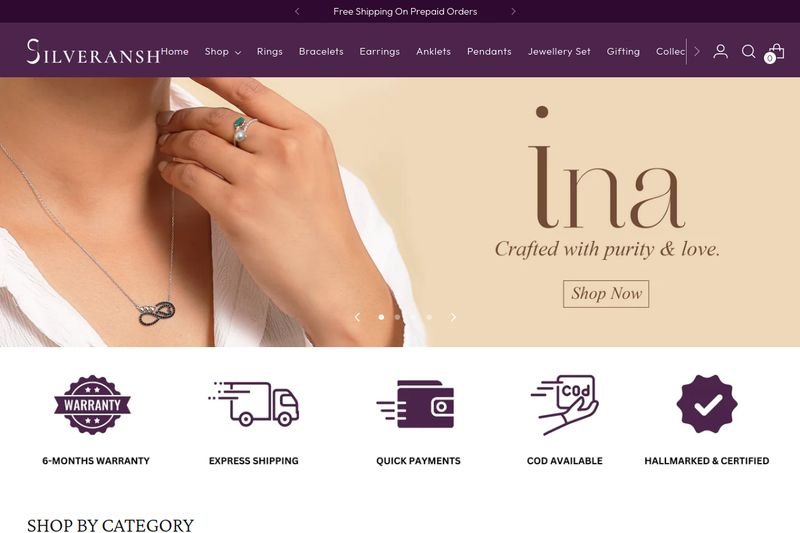
Shopify store for a luxury silver jewellery brand: rings, earrings, bracelets, anklets and pendants, with COD, warranty and hallmark trust badges placed above the fold so first-time buyers see them before they scroll.
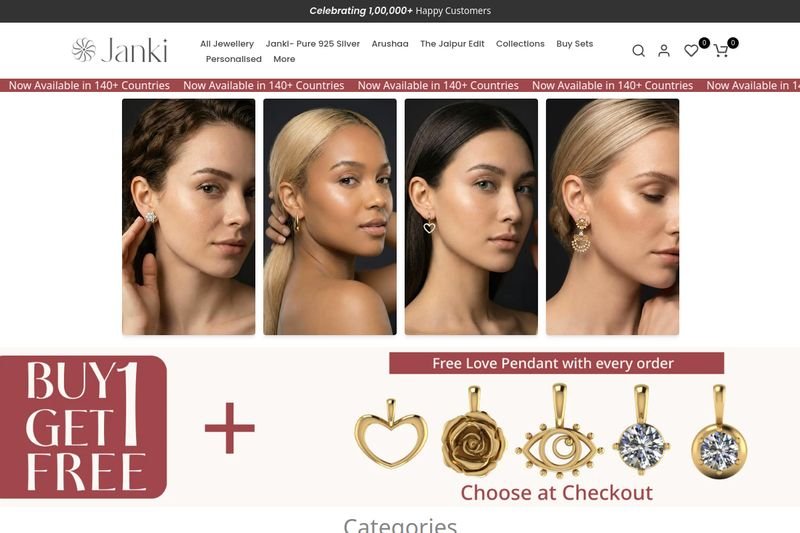
Shopify storefront for fine handmade, certified jewellery, with collection-led navigation and gifting sections built for mobile shoppers who browse by occasion rather than by product type.

Shopify store for customised and fashion jewellery, with a wedding edit, a rental collection and sale campaigns that the owner can switch on and off from the theme editor without a developer.
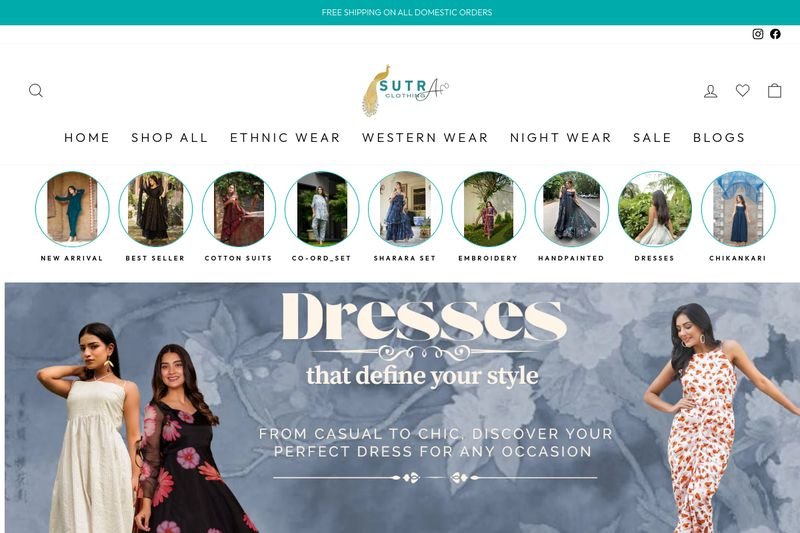
Shopify women's clothing store with ethnic, western and night-wear collections, story-style category navigation on mobile and a short, low-friction checkout.

Shopify fashion store for a women's label, with lifestyle-led collections, curated edits and WhatsApp support for shoppers who want to ask about fit before buying.

Shopify store for 925 sterling silver jewellery: earrings, pendant sets, bracelets and chains, organised into price-band and gifting collections that match how buyers search.
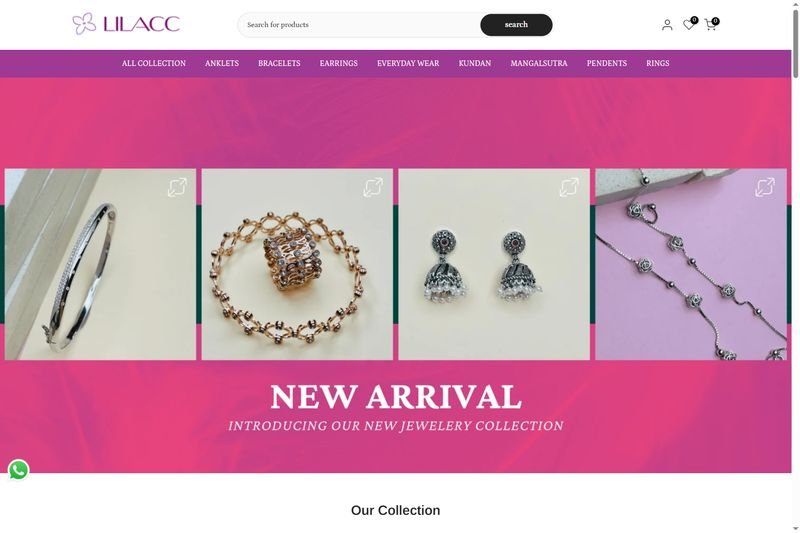
Shopify store for a Jaipur 925 silver jewellery brand: anklets, bracelets, Kundan pieces, mangalsutras, pendants and rings, with a catalogue structure built to scale past hundreds of SKUs.
Shopify, WooCommerce and custom stores for jewellery, fashion, home and lifestyle brands across India. More screenshots are on the portfolio page, and the Jaipur jewellery eCommerce page covers the jewellery niche in detail.
Pick one service or the whole build. Each one is scoped in writing before work starts.
A new store from zero: plan and theme choice, branding, navigation, collections, product pages, payment gateways, shipping zones, taxes, policies, email notifications, analytics and a launch checklist that is actually tested with real orders.
Online Store 2.0 themes customised in Liquid with reusable sections and blocks, or a custom theme built from scratch when the brand needs it. Every section stays editable in the theme editor.
WooCommerce, Wix, Magento, OpenCart, custom PHP or another Shopify store. Products, customers, orders, content and 301 redirects for every URL that has traffic, so rankings survive the move.
App and script clean-up, image sizing, lazy loading, font loading, render-blocking fixes and theme code tidy-up, measured with real-user Core Web Vitals, not just a one-off lab score.
Collection and product page structure, titles, descriptions, internal links, schema, canonical and duplicate fixes, blog strategy, plus product data that AI Overviews, ChatGPT and other assistants can read and cite.
Shiprocket, Razorpay, WhatsApp, Klaviyo, Judge.me, Google and Meta channels, ERPs and custom apps through the Admin and Storefront APIs, with as few paid apps as possible.
Shopify Functions for discount, shipping and payment rules that used to live in Scripts, checkout UI extensions, post-purchase offers and Customer Events tracking pixels.
Multi-currency, multi-language, local domains or subfolders, duties and region-specific catalogues for brands selling from India to the USA, UK, UAE, Canada and Australia.
Bug fixes, new landing pages, seasonal campaigns, A/B tests, app reviews and monthly SEO and conversion reports, with direct WhatsApp access to the developer doing the work.
Most of my Shopify clients fall into one of four groups. If you see yourself here, the free audit will be useful even if you decide not to hire me.
You have products, a brand name and maybe an Instagram following, but no store yet. The risk here is not the code. It is choosing the wrong theme, installing fifteen apps on day one, skipping basic SEO, and launching with a checkout that has never processed a real order. I set the store up so it is fast, simple to manage and ready for ads and search from the first day.
Stores that grew over two or three years usually carry dead apps, leftover code from old apps, duplicated sections and three different review widgets. Pages get slower and conversion drops quietly. I audit what is installed, remove what is not earning its place, and rebuild the product and collection templates so they load fast on a mid-range Android phone on mobile data, which is how most Indian shoppers buy.
Migration is where rankings get lost. The products move, but old URLs return 404 errors, reviews vanish and Google has to rediscover everything. I map every URL with traffic or backlinks to its new Shopify address with 301 redirects, keep product handles meaningful, move reviews and content, and check Search Console for weeks after the switch.
Indian jewellery, fashion, ayurveda and handicraft brands increasingly sell to the USA, UK, UAE, Canada and Australia. Overseas founders also hire Shopify developers in India for the depth of experience and the time-zone advantage: work moves forward while you sleep. I handle Shopify Markets, currencies, duties, shipping rules and localised content, and I write every update in clear English so nothing is lost between time zones.
A Shopify store can be live in an afternoon, which is exactly why so many are built badly. These are the parts I treat as non-negotiable on every project.
Clear photos that load fast, a title that says what the product is, variant pickers that do not confuse, size or material guides, delivery estimates, return policy, reviews and trust badges where they matter. For jewellery that means hallmark or certification details and care instructions; for fashion, fit notes and real-size photos. Product descriptions are written for people first, then structured so Google and AI assistants can read the facts.
Collections are the pages that rank on Google for searches like "silver anklets for women" or "cotton kurta sets". I structure them around real search demand, give each a unique intro and FAQ, keep filters crawl-friendly, and stop duplicate collection URLs from competing with each other.
Payment gateways, UPI, COD rules, shipping rates, free-shipping thresholds, taxes and order emails are all tested with real orders before launch. Abandoned checkout emails and WhatsApp reminders are switched on. Since August 2026 every Shopify store's Thank you and Order status pages run on checkout extensibility, so upsells and tracking are built with extensions and pixels, not old script tags.
Google Analytics 4, Google Ads conversions, the Meta pixel and Conversions API and the Google & YouTube channel are set up through Shopify's Customer Events, then checked with real test purchases. If ad spend is going to be judged on this data, it has to be right on day one.
Every app adds scripts. I keep the app list short, prefer built-in Shopify features and theme sections, size images correctly, and check Core Web Vitals on real devices. A fast store is cheaper to advertise because more of the paid clicks actually see the page.
Every section is editable in the theme editor, and you get a short recorded walkthrough. You should be able to add products, change banners, run a sale and publish a blog post without paying a developer each time.
A store nobody finds does not sell, and paid ads alone get expensive. Shopify handles some technical SEO for you, but it also creates problems that need a developer: duplicate product URLs inside collections, thin tag pages, apps that inject slow scripts, and default titles that say nothing useful. Here is what I set up on every store.
If you want to go deeper, read my guides on SEO vs AEO vs GEO and getting cited by ChatGPT and Google AI Overviews, or see the full SEO, AEO and GEO service.
The platform is the same, but the setup is not. These are the differences I plan for from the first call.
| Area | Stores selling in India | Stores selling to the USA, UK, Canada, Australia, UAE |
|---|---|---|
| Payments | Razorpay, PayU, Cashfree or Shopify Payments where available; UPI, cards, net banking, wallets | Shopify Payments, PayPal, Apple Pay, Google Pay, Shop Pay where available |
| Cash on delivery | Usually essential; COD limits, fees or prepaid incentives to control returns | Rarely used |
| Shipping | Shiprocket, Delhivery and other aggregators, pincode checks, RTO control | Carrier rates, duties and taxes, delivery promises by region |
| Taxes | GST-inclusive pricing and GST invoices | Sales tax, VAT or GST rules by market |
| Customer support | WhatsApp chat and order updates are expected | Email, live chat and clear return policies |
| Selling abroad | Shopify Markets for currencies, languages and duties | Shopify Markets, local domains or subfolders, hreflang |
Indian brands going global often need both columns at once. That is a common project for me: one store, India as the home market with COD and UPI, plus international markets with their own currency, shipping and policies.
Shopify changes fast, and a few recent changes broke stores whose developers were not paying attention. If your store was built before 2025, check these.
If any of these apply to your store, ask for the free audit. It usually takes less than a day to find out what broke and what it takes to fix it.
You share your store link or idea. I review the theme, apps, speed, SEO, tracking and checkout, then send a short written audit with the problems that are costing sales, in order of impact.
You get a scope with every page, feature, integration and deliverable listed, a timeline and a quote. Nothing starts until you approve it, and nothing is added later without your OK.
You send a collaborator request code from your Shopify admin and approve only the permissions the job needs. The store stays in your name the whole time.
Work happens on a duplicate, unpublished theme, so your live store keeps selling. You get a preview link to review on your own phone and laptop.
Real test orders with each payment method, COD rules, shipping zones, discount codes, emails, mobile layout, speed and tracking events in Google Analytics and Meta are checked before launch.
The theme goes live at a quiet time, redirects and the sitemap are checked, and you get a short video walkthrough of how to add products, edit sections and run sales yourself.
Bugs, small changes and app or theme updates are covered for 3 months. You also get live access to Search Console and Analytics, so you can see real traffic and sales data.
All three can work. The right choice depends on the size of the job and how much hand-holding you want. Here is an honest comparison.
| Working with me directly | Typical Shopify agency | Marketplace freelancer | |
|---|---|---|---|
| Who does the work | The same developer you speak to | Account manager plus a team you rarely meet | One freelancer, quality varies widely |
| Advice on plan, apps and SEO | Included in the audit and build | Usually, at agency rates | Often only what was ordered |
| Communication | Direct WhatsApp and email, daily written updates | Tickets and scheduled calls | Platform chat |
| Store ownership | Your account, collaborator access only | Your account, sometimes agency-held | Varies |
| After launch | 3 months free support, then optional plan | Retainer | New order for each change |
| Best for | Small and mid-sized brands that want one accountable person | Large Plus stores needing a big team | Small one-off tasks |
For a deeper look at how to compare candidates, which questions to ask and which red flags to avoid, read my guide on how to hire a Shopify developer. If you are still deciding the setup itself, the Shopify store setup checklist covers every step.
Prefer WordPress? I also build WooCommerce stores, and the eCommerce website development page compares both options for Indian brands. For apps beyond the store, see app development and workflow automation for order, CRM and WhatsApp automations.
A Shopify developer builds and changes the technical side of a Shopify store: the theme (Liquid, HTML, CSS and JavaScript), sections and blocks for the theme editor, app and API integrations, checkout extensions, Shopify Functions for discounts, shipping and payment rules, data migrations and speed work. A good one also sets up the store so the owner can run day-to-day changes without calling a developer.
A Shopify developer writes and changes code. A Shopify expert also advises: which plan, theme, apps, payment gateways and markets to use, how to structure collections for SEO, and what to leave out. You want both in one person when the store is small to mid-sized, because most store problems are decisions, not code.
Yes. All work is remote, and clients are in India, the USA, Canada, the UK, Australia and the UAE. For US and Canadian clients the working day overlaps with your morning or evening, and updates are sent daily in writing so nothing waits on a call.
Yes, and that is often the better option. I audit the current theme, apps, speed and SEO first, then fix what is costing sales: slow pages, broken filters, app bloat, missing trust signals, a confusing menu or a weak product page. A full rebuild is only suggested when the theme cannot be fixed cleanly.
Yes. Products, variants, images, customers, order history (where the source allows it), blog posts and pages are moved, and every old URL that had traffic or backlinks is mapped to its new Shopify URL with 301 redirects so rankings are not lost. Payment, shipping and tax settings are rebuilt and tested before the switch.
Most new stores launch in 10 to 21 days once product data, images and brand assets are ready. A theme fix or speed pass is usually a few days. Migrations and custom features depend on catalogue size and complexity, and you get a written timeline before work starts.
It depends on the scope: a setup on a premium theme, a custom theme, a migration and ongoing support are very different jobs. I quote every project individually after a free audit. Message me on WhatsApp at +91 96029 27953 with your store link or idea and you will get a clear quote.
Indian stores usually run Shopify Payments where it is available to them, or a third-party gateway such as Razorpay, PayU or Cashfree, plus UPI, cards, net banking, wallets and cash on delivery. COD rules, partial COD, prepaid incentives and shipping partners such as Shiprocket are configured to match your margins and return rates.
Yes. Shopify Markets lets one store sell in several countries with local currencies, languages, domains or subfolders, duties and region-specific pricing and catalogues. I set up the markets you need, translate or localise key pages, configure hreflang through Shopify, and check that tax and shipping rules are right for each region.
Both. A well-chosen Online Store 2.0 theme customised properly is the right call for most stores and keeps costs and maintenance down. A custom theme makes sense when the brand needs layouts or features a theme cannot provide cleanly. Either way you get sections and blocks you can edit in the theme editor.
Shopify Agentic Storefronts can list your products in AI assistants such as ChatGPT and Microsoft Copilot through Shopify Catalog, but the assistants can only recommend what your product data explains. I clean up titles, descriptions, variants, metafields, structured data and policies so products are understood correctly by Google, AI Overviews and AI shopping assistants.
Yes. Shopify Scripts stopped running on June 30, 2026, and Thank you and Order status page customisations moved to Checkout and Customer Accounts Extensibility. I rebuild lost discount, shipping and payment rules with Shopify Functions or a suitable app, and move tracking and upsells to checkout UI extensions and the Customer Events pixels.
Yes. The store is created on your own Shopify account and you are the owner. I work through a collaborator account that you approve and can remove at any time. Theme code, custom app code and all credentials stay with you.
Yes. Every new build includes 3 months of free maintenance for bugs, small changes and app or theme updates. After that you can keep a monthly support plan or call on me only when you need something.
No. Nobody can honestly guarantee sales or Google rankings. What I do guarantee is a fast, well-built store, clean product data, correct tracking and a clear written plan, with live access to Google Search Console and Analytics so you can see the real numbers yourself.
Expert vs developer vs agency, the skills to test, 20 interview questions, red flags and a contract checklist.
Read the guide →A 16-step store setup checklist, app restraint and Shopify SEO basics.
Read the guide →What decides the cost of a Shopify, WooCommerce or custom store, and the hidden charges to plan for.
Read the guide →Send your store link or idea. You get a free written audit within 24 hours, then a clear scope and quote.
Get My Free Shopify Audit